
Collagen has become a buzzword in skincare and wellness—and for good reason.
It plays a starring role in keeping our skin elastic, our joints flexible, and our bodies strong. Yet as we age, natural collagen production slows, leading to wrinkles, joint discomfort, and other visible signs of aging.
With the rise of collagen supplements, skincare products, and collagen-boosting foods, understanding the science behind collagen can help you make smarter, more informed choices.
What Is Collagen and Why Does It Matter?
Collagen is the most abundant protein in the human body, making up about 30% of its total protein content. Think of it as the scaffolding that holds everything together—it’s found in your skin, hair, bones, muscles, tendons, and ligaments.
This powerhouse protein keeps skin firm, joints supple, and bones resilient.
But starting in our mid-20s, collagen production naturally declines. Over time, this leads to wrinkles, joint stiffness, and weakened bones. That’s why collagen support—through supplements and diet—is a popular strategy for healthy aging.
Understanding the Types of Collagen
Collagen isn’t a one-size-fits-all molecule.
There are at least 28 types, but five stand out when it comes to human health.
Type I Collagen
- Found in: Skin, tendons, ligaments, bones, and teeth.
- Why it matters: Type I is the most abundant and critical for skin elasticity, hydration, and wrinkle reduction. It’s the go-to type for beauty and anti-aging benefits.
Type II Collagen
- Found in: Cartilage.
- Why it matters: Essential for joint health and mobility. Type II collagen is especially beneficial for athletes, those with arthritis, or anyone aiming to support their joints.
Type III Collagen
- Found in: Skin, muscles, and blood vessels.
- Why it matters: Works alongside Type I to strengthen skin and improve elasticity. It also plays a key role in maintaining healthy blood vessels (Journal of Investigative Dermatology).
Type V and X Collagen
Found in:
- Type V: Cell surfaces and hair.
- Type X: Cartilage and bones.
Why they matter: Type V helps with tissue development and cellular health, while Type X supports cartilage formation and bone growth. While important for overall body function, they are less directly tied to skin health compared to Types I and III (Journal of Biological Chemistry).

What Makes Collagen Effective?
Not all collagen supplements are created equal. Here are key factors to consider when choosing a supplement:
Hydrolyzed Collagen (Collagen Peptides)
This form of collagen has been broken down into smaller peptides, making it easier for your body to absorb. Hydrolyzed collagen is highly bioavailable and particularly effective for improving skin texture and supporting joint health.
Marine Collagen
Sourced from fish, marine collagen is naturally rich in Type I collagen—perfect for boosting skin elasticity and hydration.
Thanks to its smaller molecular size, marine collagen is often absorbed faster and more efficiently than bovine or porcine sources.
Bovine Collagen
Bovine collagen, sourced from cows, typically contains both Type I and Type III collagen. It is a versatile option for skin, hair, and joint health, making it a well-rounded choice for overall wellness. Bovine collagen has also been shown to support skin elasticity and reduce joint discomfort.

Does Collagen Work? The Science Speaks
Clinical studies support the benefits of collagen supplementation. For example, research has shown that daily supplementation of hydrolyzed collagen for 8-12 weeks can significantly improve skin elasticity, hydration, and overall appearance. Additionally, Type II collagen has been found to reduce joint pain and stiffness, benefiting individuals with osteoarthritis and athletes.
Emerging studies suggest additional benefits for collagen in gut health, muscle recovery, and even hair and nail strength, though these areas require further investigation.
How to Boost Collagen Naturally
Looking to support your body’s natural collagen production? Here are a few simple yet powerful ways to do it:
Through Food 🍋🍳🍖
The foundation of healthy collagen starts on your plate.
Foods like bone broth, fish skin, egg whites, and citrus fruits are packed with nutrients that fuel your body’s natural collagen production.
- Bone broth is a particularly rich source, containing gelatin—a form of broken-down collagen—as well as amino acids like glycine and proline, which are essential for building new collagen fibers. While the exact collagen content in bone broth can vary depending on how it’s made, it remains a time-tested, nourishing option.
- Citrus fruits like oranges and lemons are high in Vitamin C, a vital nutrient that acts as a co-factor for collagen synthesis. Without enough Vitamin C, your body struggles to produce or store collagen effectively.
- Egg whites provide proline, an amino acid crucial for collagen structure, and fish skin offers a natural dose of marine collagen along with healthy fats that support skin elasticity.
Incorporating these foods regularly can naturally boost collagen levels and enhance overall skin and joint health.
Through Supplements
While food lays the foundation, collagen supplements can offer a more targeted and concentrated boost—especially if you want visible results faster.
- Hydrolysed collagen peptides (also known as collagen hydrolysate) are the most bioavailable form, meaning they’re easily absorbed into your bloodstream for maximum benefit.
- Marine collagen, rich in Type I collagen, is a favourite for skin health, while bovine collagen tends to offer a combination of Types I and III, making it great for both skin and joint support.
My team and I actually conducted a 5-month-long personal review of six popular collagen brands to find out what really delivers on its promises. If you’re curious about the results, check out our full review here—it might save you a lot of trial and error!
Through Lifestyle Choices 🌞🚭🥗
Supporting collagen production isn’t just about what you add—it’s also about what you avoid.
- Processed foods high in sugar and unhealthy fats can also contribute to collagen breakdown by promoting inflammation and oxidative stress.
- Smoking and excessive sun exposure are two of the biggest collagen destroyers. Both introduce free radicals that damage existing collagen and hinder new production.
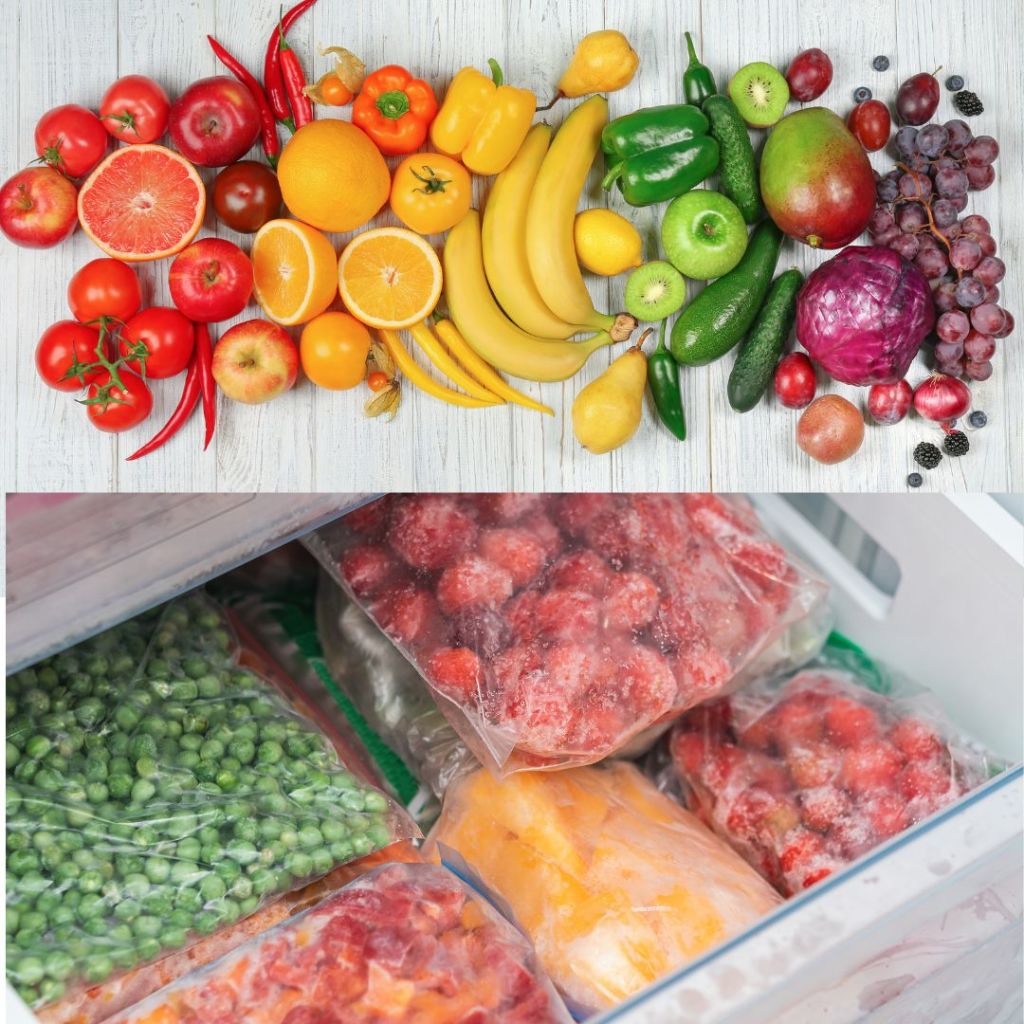
On the flip side, maintaining a diet rich in antioxidants (think colorful fruits and vegetables), staying well-hydrated, getting enough sleep, and managing stress through activities like yoga, meditation, or even simple deep breathing can all help protect and enhance your collagen stores naturally.
Small daily habits, over time, can make a big difference in preserving that youthful glow and keeping your joints and skin healthy.
Final Thoughts
Boosting collagen isn’t complicated—it’s about nourishing your body from the inside out, supplementing wisely when needed, and protecting the collagen you already have through smart lifestyle choices.
Disclaimer: Before starting any supplement regimen, it’s always a good idea to consult with a healthcare professional, particularly if you have specific health concerns. By understanding the science and choosing the right products, you can make collagen a powerful ally in your health and wellness journey!
 Daily Skincare Co.
Leave a comment