
Hyaluronic Acid (HA) is one of the most celebrated ingredients in the skincare world, widely praised for its ability to hydrate, plump, and rejuvenate the skin. If you’ve read our previous blog post, Hyaluronic Acid Decoded: Why It’s a Game-Changer for Deep Hydration, you’ll know just how transformative topical HA can be. But have you ever considered how ingestible HA compares to its topical counterpart?
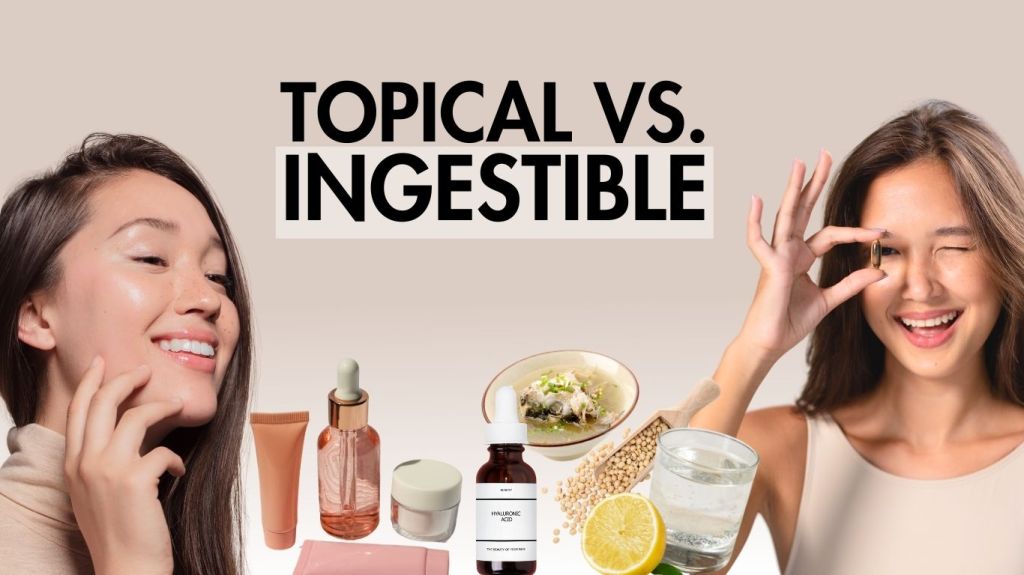
In this article, we’ll explore the differences between topical and ingestible HA, delve into the science behind their benefits, and introduce some of the best ways to incorporate both into your routine.
The Basics of Hyaluronic Acid
Hyaluronic Acid is naturally produced in the body and concentrated primarily in the skin, connective tissues, and eyes. Its key function is to retain water and maintain lubrication in tissues. However, environmental factors, aging, and lifestyle choices can deplete HA levels over time.
To replenish these levels, HA can be applied externally or ingested via supplements. Each form has distinct mechanisms, benefits, and limitations.
For a deeper dive into the science of Hyaluronic Acid, check out my previous post: Hyaluronic Acid Decoded: Why It’s a Game-Changer for Deep Hydration.

Topical Hyaluronic Acid: The Skincare Staple
Topical hyaluronic acid is a trusted favorite in the skincare world, commonly used in serums, creams, and sheet masks. Most formulations use varying molecular weights of HA:
- High molecular weight: Works on the surface for immediate hydration.
- Low molecular weight: Penetrates the epidermis to improve skin elasticity and deeper hydration.
Benefits of Topical Hyaluronic Acid:
- Targeted Hydration: Ideal for localized dryness and improving skin texture.
- Plumping Effect: Provides a dewy, youthful appearance.
- Soothing Properties: Calms redness and irritation, especially for sensitive skin.
- Synergy with Other Ingredients: Enhances the efficacy of products containing Vitamin C, niacinamide, and ceramides.
The Science:
A 2011 study published in the Journal of Clinical and Aesthetic Dermatology confirmed that topical hyaluronic acid significantly improves skin hydration and elasticity within eight weeks of consistent use. Participants also reported visible improvement in skin texture and smoothness.
Limitations:
- Surface-Level Results: Without advanced formulations, most hyaluronic acid molecules are too large to penetrate deeply.
- Temporary Effects: Results are immediate but require consistent application to maintain hydration.
Popular Products:
- The Ordinary Hyaluronic Acid 2% + B5: A wallet-friendly option that combines low, medium, and high molecular weights of HA for maximum hydration.
- La Roche-Posay Hyalu B5 Serum: A more concentrated formula that combines HA with vitamin B5.
- SkinCeuticals Hydrating B5 Gel: A high-end serum enriched with Vitamin B5 to replenish the skin barrier.

Ingestible Hyaluronic Acid: The Rising Star
Ingestible hyaluronic acid is making waves as a beauty supplement, often combined with collagen or other active ingredients. Unlike topical hyaluronic acid, ingestible forms promise to work from the inside out, benefiting not just the skin but also joints and connective tissues.
Benefits of Ingestible Hyaluronic Acid:
- Long-Term Hydration: Improves skin hydration and elasticity from within.
- Multi-System Support: Benefits skin, joints, and eyes, addressing hyaluronic acid depletion holistically.
- Convenience: One daily supplement can support full-body hydration.
The Science:
A 2017 study published in the Nutrition Journal found that participants taking 120-240 mg of hyaluronic acid daily for 12 weeks experienced significantly improved skin hydration and reduced wrinkle depth. A later study from Clinical, Cosmetic, and Investigational Dermatology in 2021 also confirmed that ingestible hyaluronic acid enhances skin elasticity, reduces dryness, and provides anti-aging benefits for mature skin.
Additionally, research on hyaluronic acid’s anti-inflammatory properties also underscores its broader potential in improving joint health and skin conditions.
Limitations:
- Bioavailability Questions: While studies suggest HA can be absorbed into the bloodstream, how much of it reaches the skin is still debated.
- Delayed Results: Visible effects require consistent use over weeks or months.
Popular Products I Approve:
- Vital Proteins Collagen Peptides Advanced (with Hyaluronic Acid & Vitamin C): A powder supplement that pairs HA with collagen peptides to enhance hydration and reduce visible signs of aging.
- Doki Doki LUNA Collagen Juice: Another beauty drink option that combines hyaluronic acid, collagen, and prebiotics to improve skin health from gut health.
- Hyalogic Hyaluronic Acid Whole Body Moisturizer Capsules: Easy-to-take capsules that promote skin, joint, and eye health.

Foods That Provide Hyaluronic Acid or Boost Its Production
- Bone Broth
- Bone broth, made by simmering bones and connective tissue, is rich in collagen, hyaluronic acid, and amino acids like glycine and proline.
- The HA in bone broth is naturally occurring, and consuming it can provide hydration benefits for the skin and joints.
- Soy-Based Foods
- Soy products like tofu, edamame, and soy milk contain isoflavones, plant compounds that may increase HA levels by stimulating your body’s natural production.
- Leafy Greens
- Spinach, kale, and other dark leafy greens are high in magnesium, which is essential for the synthesis of HA.
- Citrus Fruits
- Oranges, grapefruits, and lemons are rich in Vitamin C, a critical nutrient for collagen production and HA stability in the skin.
- Sweet Potatoes
- These are rich in magnesium and Vitamin A, both of which are associated with boosting the production of HA.
- Root Vegetables
- Foods like carrots, potatoes, and turnips contain starchy carbohydrates that may stimulate HA synthesis in the body.
- Animal Products
- Chicken skin, fish skin, and connective tissues (like in organ meats) naturally contain hyaluronic acid. For example, chicken combs are particularly rich in HA and are sometimes used in HA supplements.
Topical vs. Ingestible: Which One Should You Choose?
The answer depends on your goals. If you’re looking for instant hydration and quick fixes, topical HA is your best bet. However, for long-term benefits and overall skin health, ingestible HA is worth considering. Better yet, combining both methods can give you the best of both worlds—immediate hydration and lasting improvements.

Final Thoughts:
Topical hyaluronic acid has been the hydration hero for years, but ingestible hyaluronic acid is on the rise to prove to be a powerful ally in the quest for radiant, youthful skin. By combining the two, you can enjoy both immediate and long-term benefits, ensuring your skin stays plump, hydrated, and healthy.
Remember—hydration isn’t just about products. Drinking enough water and maintaining a balanced diet will amplify the benefits of any HA regimen.
Disclaimer: The information provided in this article is intended for general knowledge and should not replace medical advice, diagnosis, or treatment. Always seek guidance from a qualified healthcare professional for your specific health concerns.
 Daily Skincare Co.
Leave a comment