
Is it possible to speed up your metabolism simply by changing what’s on your plate? While the idea of “fat-burning” foods is often wrapped in marketing hype, the science of thermogenesis tells a much more interesting story.

For those who want a metabolism that works efficiently, it is not about “miracle” ingredients, it is about understanding how different nutrients require energy to process. Let’s dive into the evidence-backed foods that actually nudge your metabolic engine into a higher gear!
What Does “Boosting Metabolism” Really Mean?
Your metabolism is the sum of all chemical reactions that convert food into energy your body uses for breathing, thinking, moving, digesting, and more.

Boosting metabolism doesn’t mean magically burning calories without effort, it means supporting the biological processes that help your body use energy efficiently.
Two main drivers influence metabolic rate:
- Resting Metabolic Rate (RMR) — calories burned at rest
- Thermic Effect of Food (TEF) — energy used to digest, absorb, and process nutrients
Certain foods can slightly increase TEF or support metabolism indirectly through muscle support, hormonal balance, or nutrient density. But no food is a magic bullet.
1. Lean Protein: Chicken, Fish, Eggs, and Legumes
Protein has a higher thermic effect than fats or carbs — meaning your body uses more energy to metabolize it. Roughly 20–30% of calories in protein are burned during digestion, compared with 5–10% for carbs and 0–3% for fat.

Benefits:
- Helps preserve and build lean muscle (key for long-term metabolic health)
- Keeps you fuller longer, which can reduce overeating
2. Green Tea and Matcha
Green tea contains powerful antioxidants called catechins, specifically EGCG (epigallocatechin gallate). When paired with the modest amount of caffeine found in the tea, EGCG can help increase energy expenditure. It works by helping the body switch to burning stored fat for fuel, a process we call metabolic flexibility.

Tips:
- Choose unsweetened versions
- Matcha delivers more catechins per serving
3. Chili Peppers and Capsaicin
Chilli peppers contain a bioactive compound called capsaicin. Research shows that capsaicin can slightly increase the rate at which your body burns calories by stimulating the “fight or flight” part of your nervous system.
More importantly, it can promote fat oxidation, the process of breaking down fat for fuel, and may help reduce appetite. While it won’t replace a balanced diet, adding a little heat to your meals provides a genuine, albeit subtle, metabolic nudge.

4. Coffee (in Moderation!)
Caffeine is one of the few natural substances proven to aid fat mobilization. Studies have shown that caffeine can increase the resting metabolic rate by 3–11%. However, the effect is often more pronounced in those who don’t consume it excessively, so your daily cup is better than a constant stream.

Use wisely: Black or lightly sweetened is best. High-sugar lattes or heavy creams can outweigh any metabolism benefit.
5. Whole Grains and High-Fibre Foods
While fibre doesn’t “burn” fat in the traditional sense, it is essential for a healthy metabolism through its impact on insulin and gut health.
Foods rich in soluble fibre, such as oats, beans, and apples, slow down digestion. This prevents sharp spikes in blood sugar and insulin. Since insulin is a storage hormone, keeping it stable is key to allowing your body to access stored fat for energy. Learn more about how fibre foods help support gut health here.
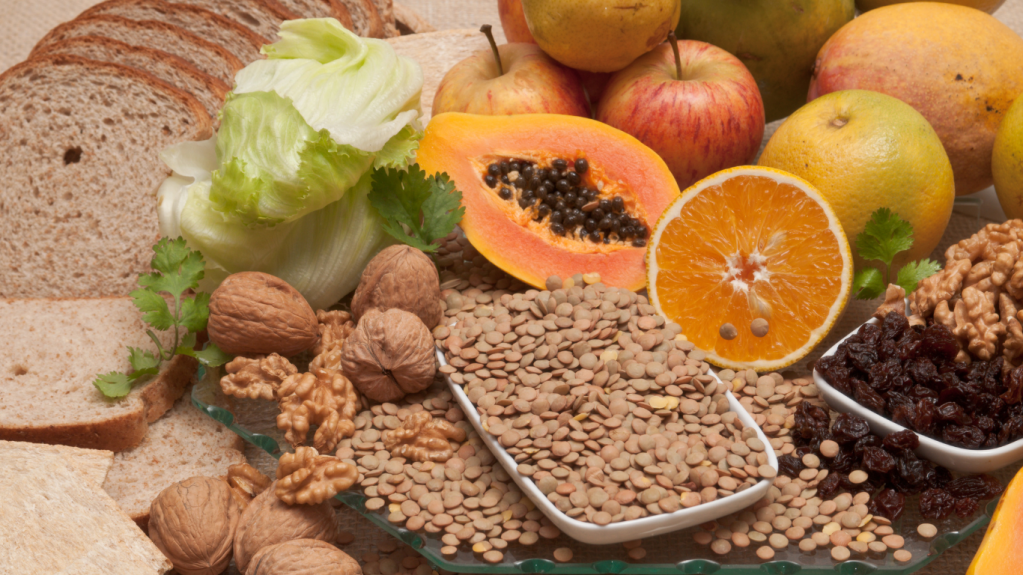
Furthermore, fibre feeds the beneficial bacteria in your gut. As we’ve discussed in our guide to prebiotics, a healthy microbiome is linked to better weight management and reduced internal inflammation.
So… What does all of this tell us about ‘Metabolism-boosting’ foods?
Food alone won’t magically transform your metabolism, but certain choices can support metabolic efficiency:
- Prioritize lean protein and whole foods
- Stay hydrated
- Enjoy metabolism-friendly drinks like green tea or moderate coffee (without sugar!)
- Add spices like chili for a temporary metabolic boost
Importantly, physical activity, adequate sleep, stress management, and muscle-preserving strength training also play a big role in long-term metabolic health.
 Daily Skincare Co.
Leave a comment