
Navigating the world of skincare can feel like decoding a secret language. From obscure ingredients to flashy marketing terms, understanding what truly benefits your skin requires a little detective work. Here, I’ll break down how to read skincare labels, identify key ingredients, and select products tailored to your unique skin type.
1. Understand Your Skin Type
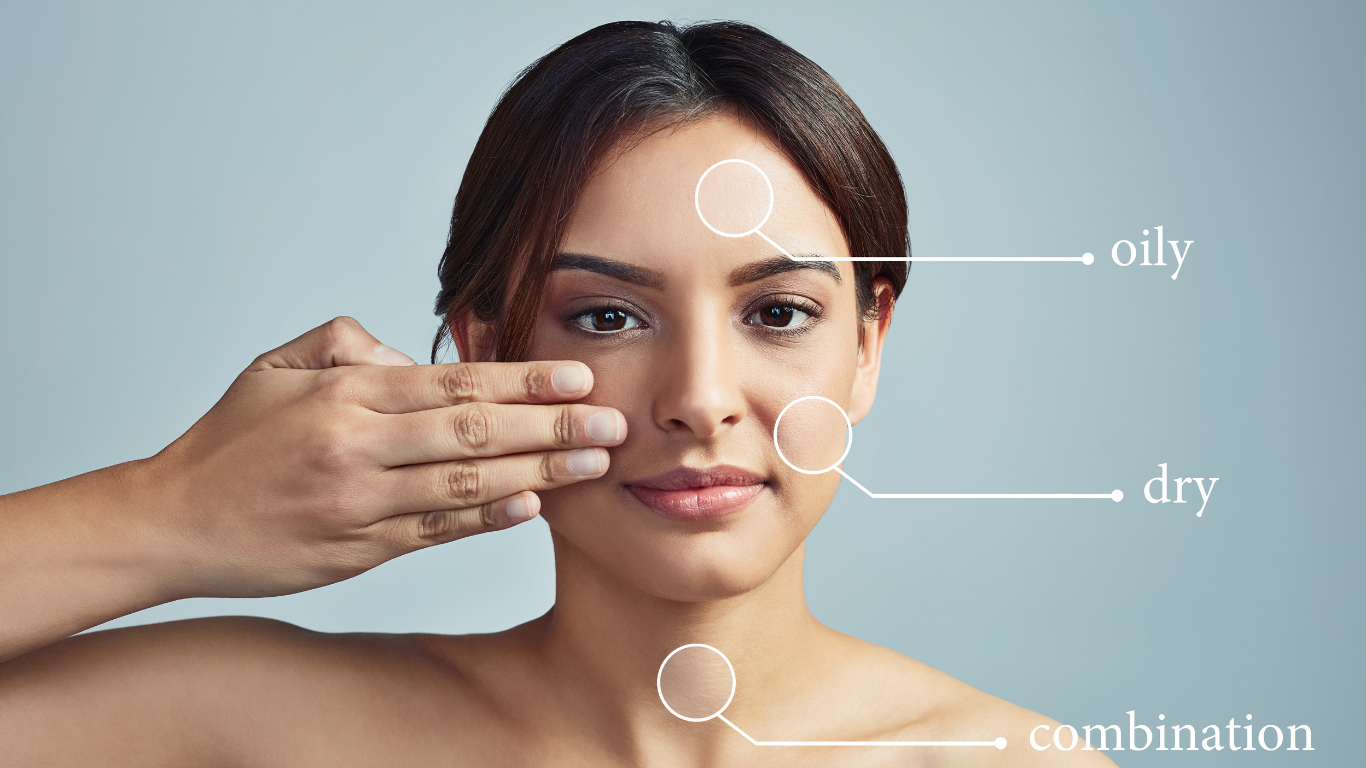
Before diving into labels, you need to understand your skin’s specific needs. I previously wrote ‘The Complete Guide to Understanding Your Skin Type (And Why It’s Not Set in Stone)’ to help you learn thoroughly about your skin type. If you don’t have the time to go through it yet, here’s a quick guide:
- Oily Skin: Often characterized by shine and enlarged pores. Prone to acne and blackheads.
- Dry Skin: Feels tight or flaky, especially after cleansing. Needs hydration and barrier repair.
- Combination Skin: Oily in some areas (like the T-zone) and dry in others.
- Sensitive Skin: Easily irritated by products, weather changes, or stress. Needs soothing ingredients.
- Normal Skin: Balanced and not prone to excessive dryness or oiliness.
2. Key Sections on a Skincare Label
Understanding the layout of a product’s label is crucial. Most labels include:
- Ingredients List: Listed in descending order by concentration, with the highest amounts first.
- Active Ingredients: Specific components targeting concerns like acne or wrinkles. These are often highlighted separately.
- Marketing Claims: Terms like “dermatologist-approved” or “non-comedogenic” can be helpful, but verify their legitimacy.
3. What to Look For by Skin Type
For Oily or Acne-Prone Skin
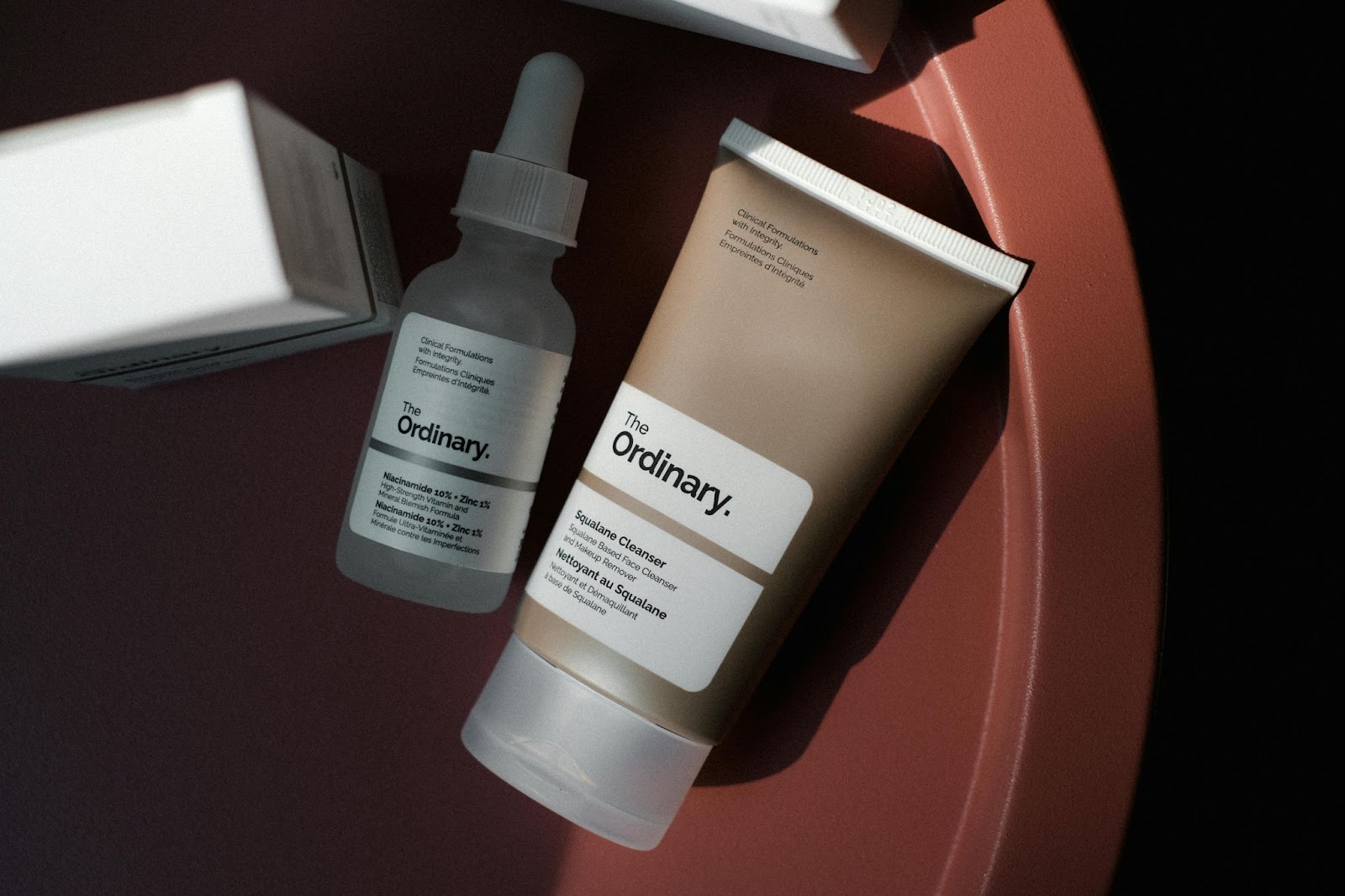
- Key Ingredients: Salicylic acid, benzoyl peroxide, niacinamide, clay, and tea tree oil.
- Label Tips: Seek “oil-free” or “non-comedogenic” products to avoid clogged pores. Look for mattifying or balancing formulas.
- Avoid: Heavy oils and alcohol-based products, which can either clog pores or strip natural oils.
For Dry Skin
- Key Ingredients: Hyaluronic acid, ceramides, glycerin, shea butter, and squalane.
- Label Tips: Look for “moisturizing” or “deep hydration” claims. Products with occlusive agents like petrolatum can seal in moisture.
- Avoid: Harsh exfoliants and sulfates that can exacerbate dryness.
For Sensitive Skin
- Key Ingredients: Aloe vera, chamomile, centella asiatica, colloidal oatmeal, and allantoin.
- Label Tips: Look for “fragrance-free” and “dermatologist-tested” claims. Hypoallergenic labels can also be helpful.
- Avoid: Synthetic fragrances, alcohols, and harsh acids like glycolic acid.
For Combination Skin
- Key Ingredients: Niacinamide, hyaluronic acid, and lightweight moisturizers.
- Label Tips: Opt for multi-functional products that balance oil production and hydrate dry areas. Gel-based formulas work well.
- Avoid: Overloading your skin with heavy creams in the T-zone.
For Normal Skin
- Key Ingredients: Antioxidants (vitamin C, E), peptides, and SPF.
- Label Tips: Maintenance is key. Focus on gentle, nourishing products that keep your skin balanced.
- Avoid: Overuse of active ingredients that may disrupt your skin’s natural balance.

4. How to Spot Red Flags
- Long Ingredient Lists: While not inherently bad, overly complicated formulations might irritate sensitive skin.
- Undefined Terms: Words like “natural” or “organic” aren’t regulated. Look for certifications (e.g., USDA Organic).
- High Alcohol Content: Denatured alcohol or ethanol listed high up can be drying.
- Fragrances: Synthetic fragrances can cause irritation; prefer fragrance-free products.

5. Understanding Concentrations
Active ingredients work best in specific concentrations. For example:
- Vitamin C: Effective at 10-20%, often labeled as L-ascorbic acid.
- Hyaluronic Acid: Works well at 1-2%.
- Niacinamide: Most effective between 2-5%.
If the concentration isn’t specified, ingredients listed higher on the list are generally present in higher amounts.
6. Navigating Certifications and Labels
Certifications can help identify trustworthy products:
- Cruelty-Free: Certified by organizations like Leaping Bunny.
- Vegan: Indicates no animal-derived ingredients.
- Dermatologist-Tested: Products tested for skin compatibility.
- SPF Ratings: Look for “Broad Spectrum” on sunscreens to protect against UVA and UVB.
Final Thoughts
The next time you’re scanning a skincare label, don’t let the jargon intimidate you. Armed with this guide, you’re ready to spot the products that will work wonders for your skin type. Skincare isn’t just about the hype – it’s about informed choices. Happy decoding, and may your skin’s glow speak volumes!
 Daily Skincare Co.
Leave a comment