
We all know that drinking enough water is essential for good skin. But if you’ve been guzzling liters a day and still dealing with dryness, dullness, or fine lines, you’re not alone. While water is crucial, it’s only part of the equation when it comes to deep, lasting hydration.

Why Water Alone Doesn’t Keep Skin Hydrated
Your skin’s ability to retain moisture depends on more than just how much water you drink. Hydration is a multi-step process:
- Water absorption: Only a small portion of the water you drink reaches the skin. The body prioritises critical organs first, and the skin—being last in line—receives just a fraction of that hydration. So, chugging more water doesn’t necessarily mean plumper skin.
- Barrier function: If your skin barrier is compromised, moisture escapes faster than your body can replenish it.
- Nutrient support: Hydration isn’t just about water—it requires essential nutrients like hyaluronic acid, collagen, and electrolytes to lock in moisture.
What Actually Helps Your Skin Stay Hydrated?
If you want a real hydration boost, it’s time to go beyond just drinking water. Here’s what really makes a difference:
1. Hyaluronic Acid: The Moisture Magnet
Hyaluronic acid (HA) is a naturally occurring molecule in your body that holds up to 1,000 times its weight in water. It helps skin retain moisture and maintain plumpness, but our HA levels decline with age.
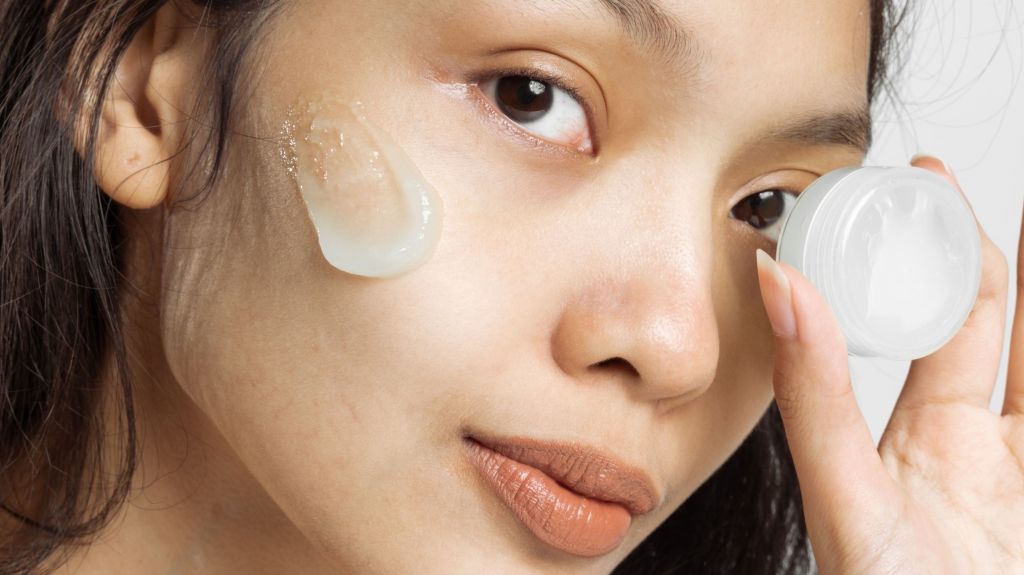
✅ Topical HA: Applying hyaluronic acid serums helps attract moisture to the skin’s surface, making it feel more hydrated and plump. Look for formulas that pair HA with humectants like vitamin B5. One standout is SkinCeuticals Hydrating B5 Gel – a cult favourite for a reason.
✅ Ingestible HA: Drinking hyaluronic acid works at a deeper level. Supplements like Luna Collagen combine hydrolysed collagen and HA, supporting skin hydration from within and potentially improving elasticity over time. Want to know which form of HA gives you the most bang for your buck? Check out this deep dive: Topical vs. Ingestible Hyaluronic Acid: Which One Should You Trust?
2. Electrolytes: Hydration at a Cellular Level
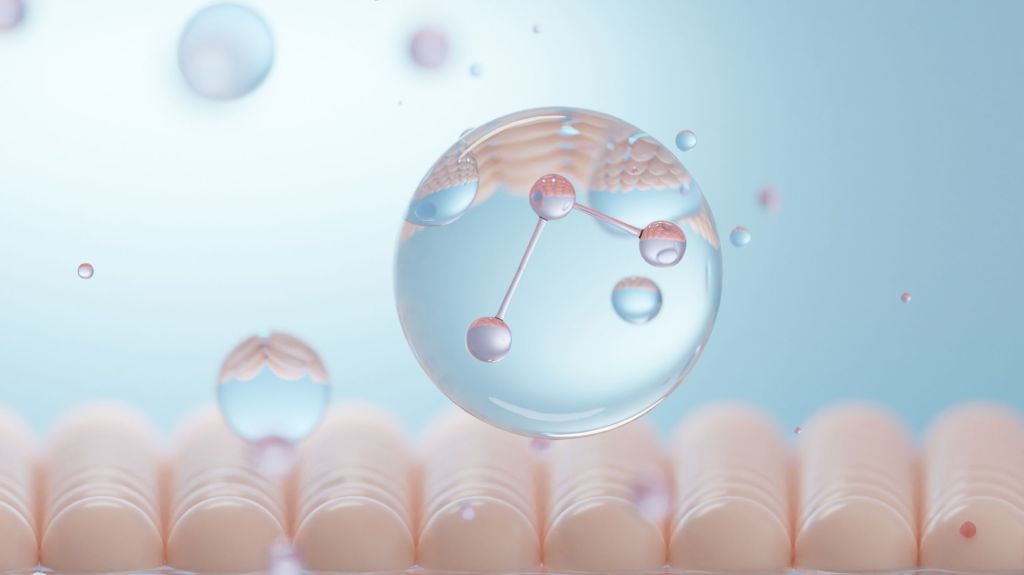
Think of electrolytes—magnesium, potassium, sodium—as water’s wingmen. They help your cells actually absorb and retain fluid, rather than letting it rush through your system.
- Without adequate electrolytes, your body might excrete water before it reaches cells, including those in your skin.
- A great hydration booster? Liquid I.V. Hydration Multiplier. It delivers a balanced dose of electrolytes directly into your bloodstream, helping cells stay hydrated longer.
3. Omega-3s: Strengthening the Skin Barrier
Omega-3 fatty acids are essential fats that reinforce your skin’s lipid barrier, sealing in moisture and protecting against environmental aggressors.
- If your skin feels flaky, tight, or inflamed, it could be a sign of lipid deficiency.
- Incorporate more fatty fish (like salmon or sardines), chia seeds, or take a high-quality supplement such as Nordic Naturals Omega-3. These healthy fats help reduce transepidermal water loss and keep skin soft and smooth.
Water is essential, but not sufficient.
Deep hydration—true, long-lasting skin moisture—requires a team effort between your lifestyle, skincare ingredients, and internal nutrients. Incorporate hyaluronic acid, electrolytes, and omega-3s into your daily routine to give your skin what it really needs to thrive.


Leave a Reply